
Sonali Nakshine
25 Aug 2025 • 10:16 IST Follow Us
The Birth and Evolution of the Constitution
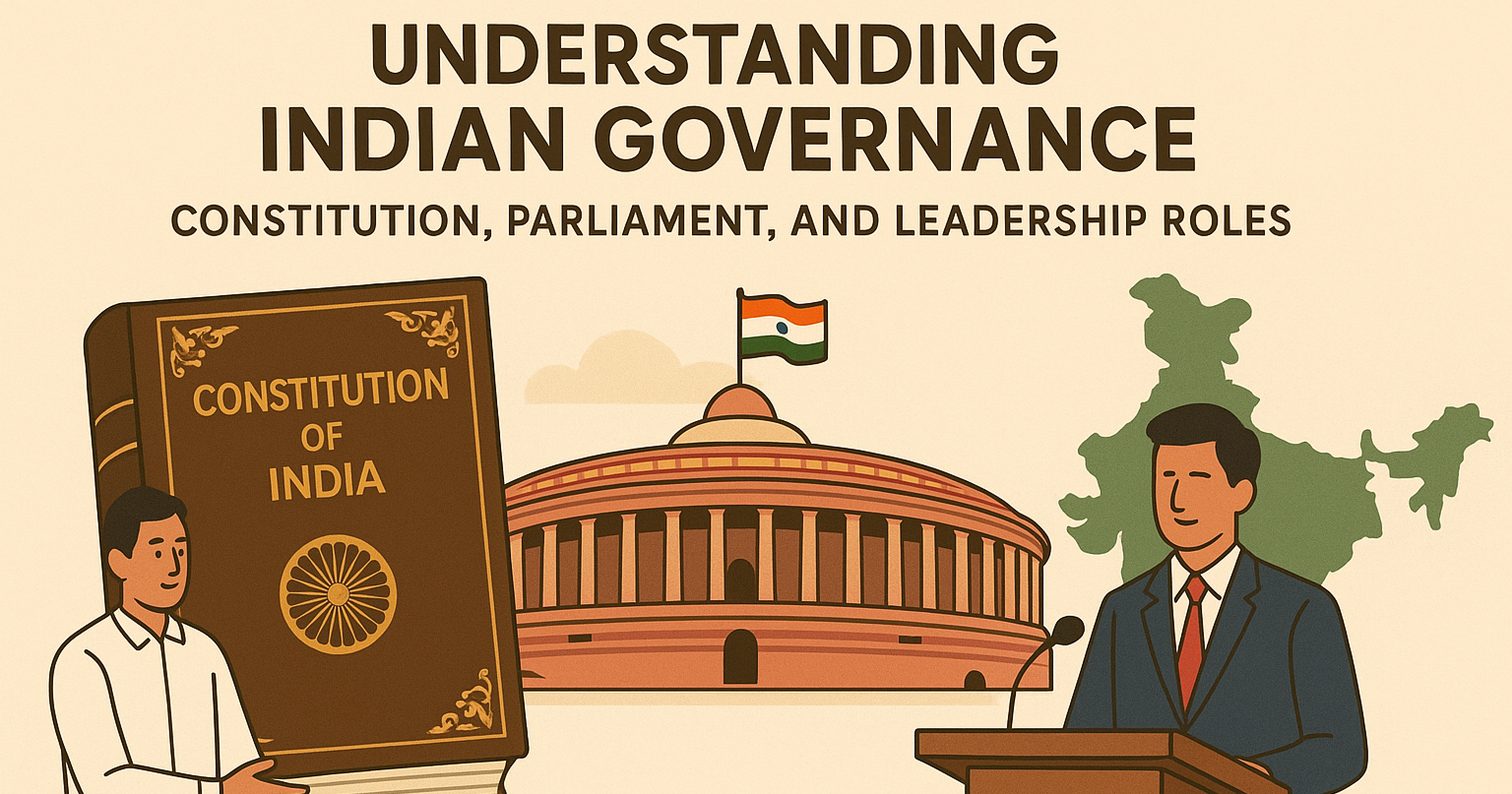
The Indian Constitution was adopted on November 26, 1949 and came into effect on January 26, 1950. Crafted by the Constituent Assembly and spearheaded by Dr. B.R. Ambedkar, the document was influenced by global democratic systems, including the British Parliament and the American Bill of Rights.
Initially comprising 395 Articles and 8 Schedules, the Constitution has evolved to include over 470 Articles and 12 Schedules today. The landmark 42nd Amendment of 1976 added the words "Socialist", "Secular", and "Integrity" to the Preamble, reinforcing India’s commitment to pluralism and unity.
Structure and Function of the Indian Parliament
The Indian Parliament consists of two houses: the Lok Sabha (House of the People) and the Rajya Sabha (Council of States), along with the President of India. The Lok Sabha represents the public through directly elected members, while the Rajya Sabha represents states and union territories.
Rajya Sabha: 245 members; tenure of 6 years; one-third of members retire every two years.
Parliament's primary roles include lawmaking, budget approval, holding the executive accountable, and debating national issues. The President summons and dissolves Parliament and gives assent to bills, formalizing their passage into law.
Roles of the President and Prime Minister
India’s executive structure is a balance between symbolic and real authority.
The President: The Constitutional Head
The President of India is the ceremonial head of state and acts on the advice of the Prime Minister and the Cabinet. Appointed by an electoral college, the President holds a five-year term. Key responsibilities include assenting to bills, appointing governors, and representing India in ceremonial roles.
The Prime Minister: The Executive Authority
The Prime Minister is the head of government and wields real executive power. Leading the Council of Ministers, the PM is responsible for policy-making, national security, and representing India internationally. The Prime Minister must enjoy the confidence of the Lok Sabha to remain in office.
Summary
- The Indian Constitution provides the legal and political framework for the nation.
- Parliament, comprising the Lok Sabha and Rajya Sabha, is central to the legislative process.
- The President functions as the symbolic head of state, while the Prime Minister holds real governing power.
- Understanding these structures is crucial to participating meaningfully in a democracy.
For students, civil service aspirants, and engaged citizens, this foundational understanding of India's political framework remains essential—not just during elections, but in all matters of governance and civic responsibility.
— End of Report