
Sonali Nakshine
25 Aug 2025 • 10:16 IST Follow Us
What is Hyper-Personalization in AI Marketing?
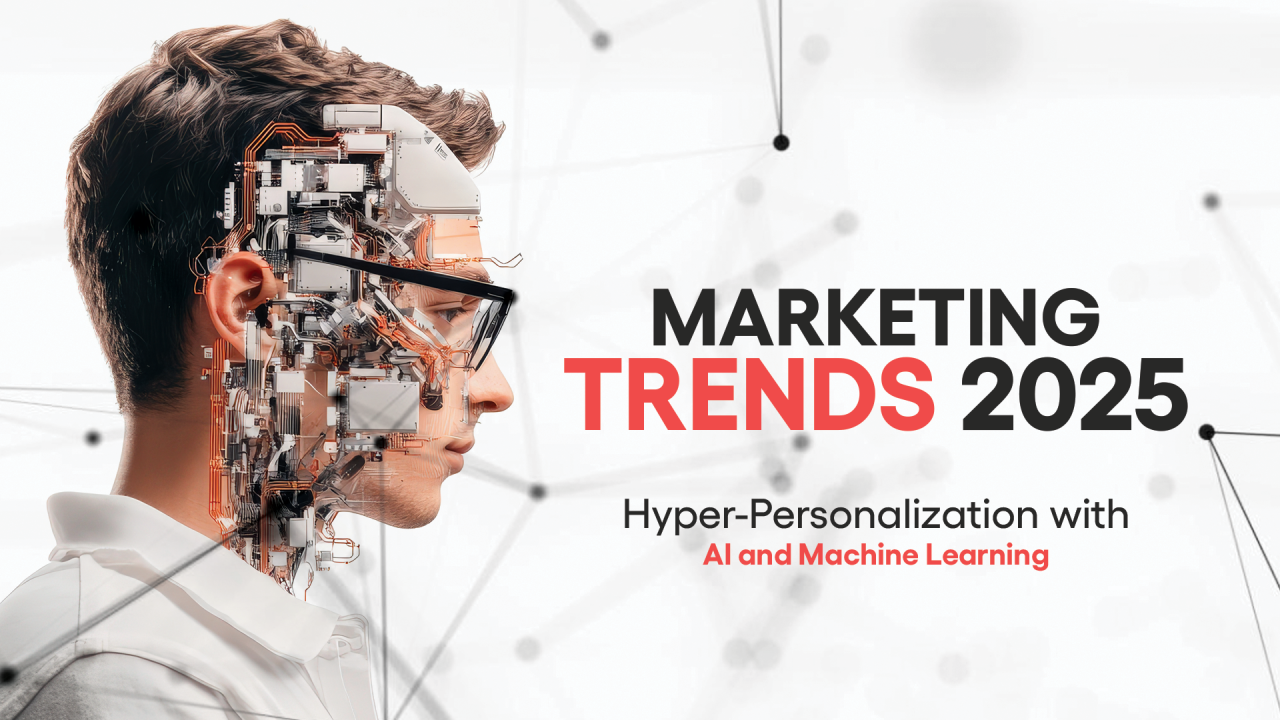
Hyper-personalization uses AI to move beyond traditional segmentation. Instead of grouping people into broad categories, AI analyzes real-time behavior, purchase history, browsing patterns, and emotional triggers to deliver 1:1 personalized experiences.
For example:
- An e-commerce site can generate customized product pages for each visitor.
- An email campaign can adapt tone, design, and offers based on an individual’s past interactions.
- Social ads can change dynamically depending on mood, context, or current needs.
Why Hyper-Personalization Matters in 2025
Predictive Targeting – AI predicts what customers will want next, reducing wasted ad spend.
Emotional Resonance – Generative AI tailors messaging and visuals to tap into emotions, not just demographics.
Real-Time Adaptability – Campaigns evolve automatically based on live customer data.
Higher ROI – Personalized campaigns consistently drive 3-5x more conversions compared to traditional mass marketing.
How Businesses Are Using AI for Marketing
AI-Powered Content Creation
Generative AI writes blogs, ad copy, and product descriptions tailored to different audience personas.
Dynamic Customer Journeys
Predictive AI maps customer intent and guides them through personalized funnels—from awareness to purchase.
Voice & Conversational AI
Chatbots and AI assistants deliver personalized sales pitches and recommendations 24/7.
AI-Driven Social Ads
Platforms like Meta & LinkedIn now allow marketers to run adaptive ads that shift text, visuals, and CTAs based on viewer data.
Benefits vs. Challenges
| Benefits | Challenges |
|---|---|
| Boosts customer engagement & loyalty | Data privacy and compliance concerns |
| Increases ROI on campaigns | Requires high-quality customer data |
| Enhances brand trust through relevance | Over-personalization risks being “creepy” |
| Saves time with AI automation | Ethical use of AI-generated content |
Real-World Examples
Retail: Fashion brands use AI to create virtual try-ons and personalized style guides.
Healthcare: Clinics send custom wellness reminders based on patient history.
B2B SaaS: AI personalizes demo pitches, tailoring use cases to each company’s pain points.
The Future: Predictive + Generative Synergy
The next leap will come from AI that not only predicts customer needs but also creates personalized solutions instantly. Imagine an AI agent that predicts a customer’s upcoming problem and sends them a customized video tutorial or offer before they even search for it.
Conclusion
In 2025, AI in marketing is no longer about automation—it’s about personalization at scale. Companies that embrace hyper-personalization through generative and predictive AI will stand out, build deeper trust, and convert faster. The future belongs to brands that make every customer feel like the campaign was designed just for them.